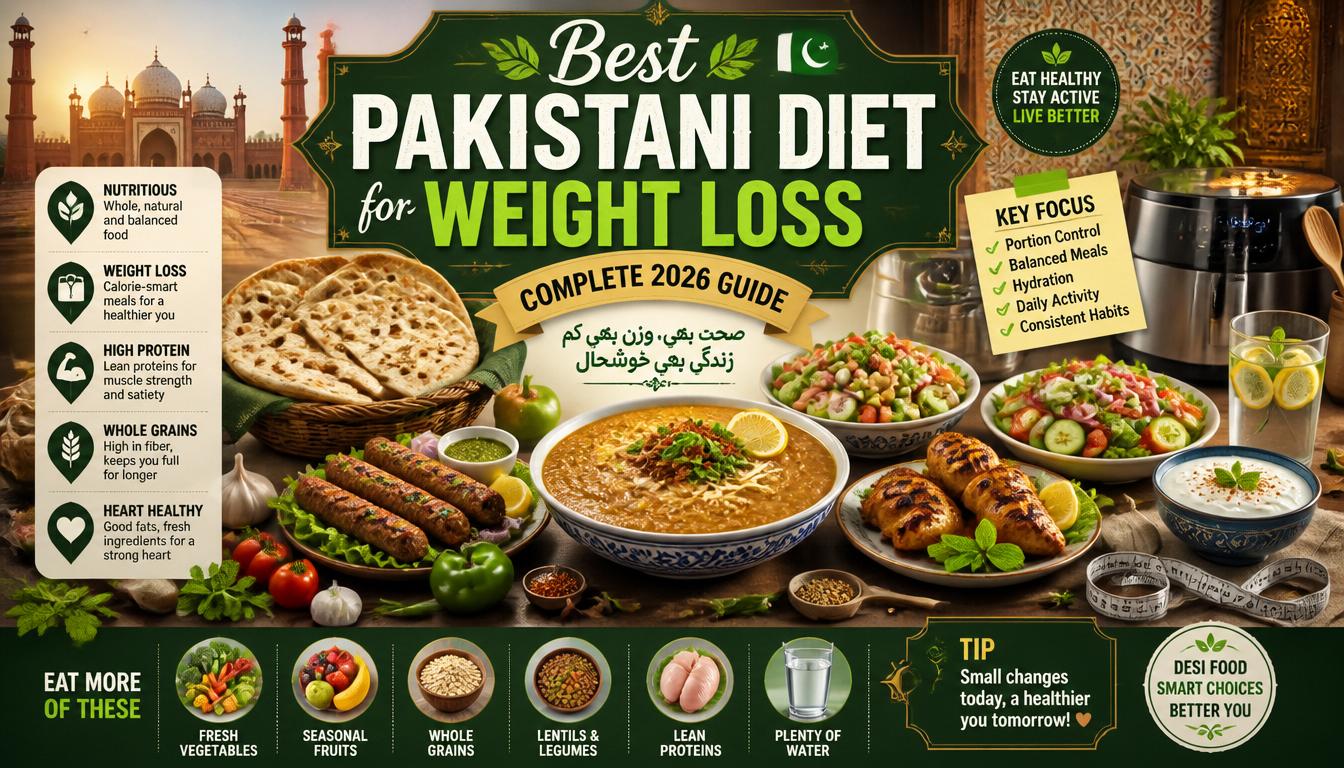
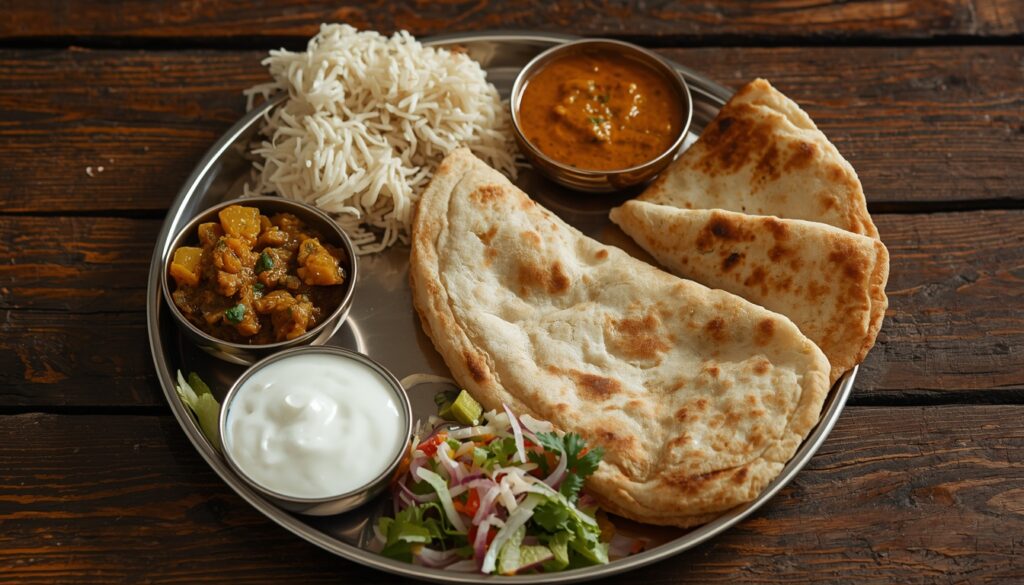
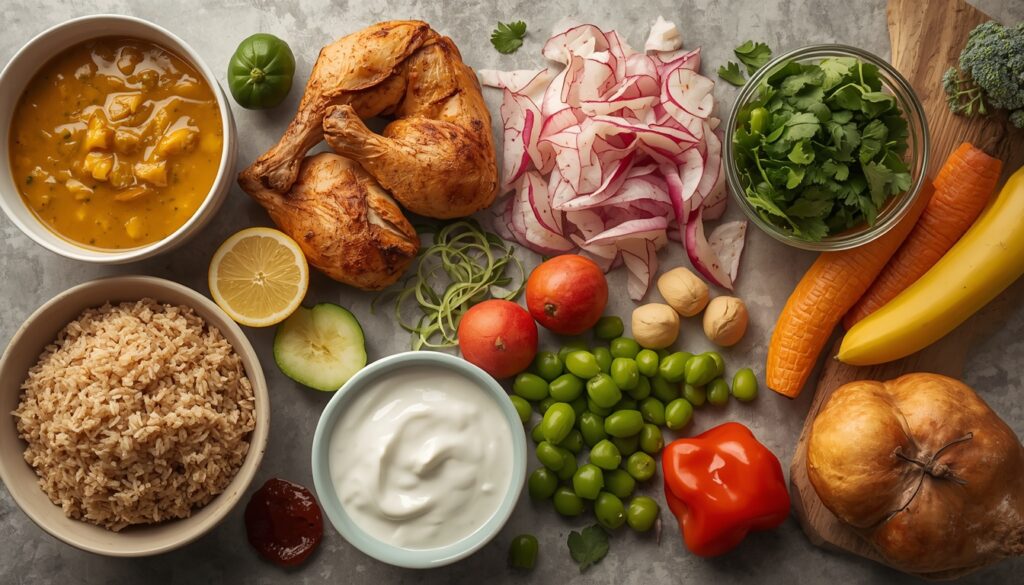
The best Pakistani diet for weight loss combines a moderate calorie deficit with familiar foods: roti made from whole wheat, daal, grilled chicken or fish, yogurt, vegetables, and fruit — while cutting back on fried snacks, sugary tea, and excess oil. It works because it uses foods you already eat, just in smarter portions and preparations.
Introduction
Walk into almost any Pakistani home and you’ll find a table full of daal, sabzi, roti, and maybe a bit of chicken karahi on a good day. So why do so many people here still struggle to lose weight, even when they’re eating “home-cooked” food?
The truth is, home-cooked doesn’t automatically mean healthy. A lot of us grew up on parathas fried in generous ghee, sugary doodh-patti tea five times a day, and portions sized for a joint family feast rather than one plate. Add a desk job, long commutes in traffic instead of walks, and late-night biryani orders, and the weight creeps up quietly.
The good news? You don’t need to give up Pakistani food to lose weight. You don’t need imported quinoa, avocado toast, or a diet plan built for someone living in London or Toronto. You need a plan that works with your kitchen, your budget, and your lifestyle — not against it.
In this guide, you’ll learn:
Why most diets fail for Pakistani dieters specifically
The basics of weight loss explained simply
The best Pakistani foods for fat loss (with calories and protein)
Foods that are quietly sabotaging your progress
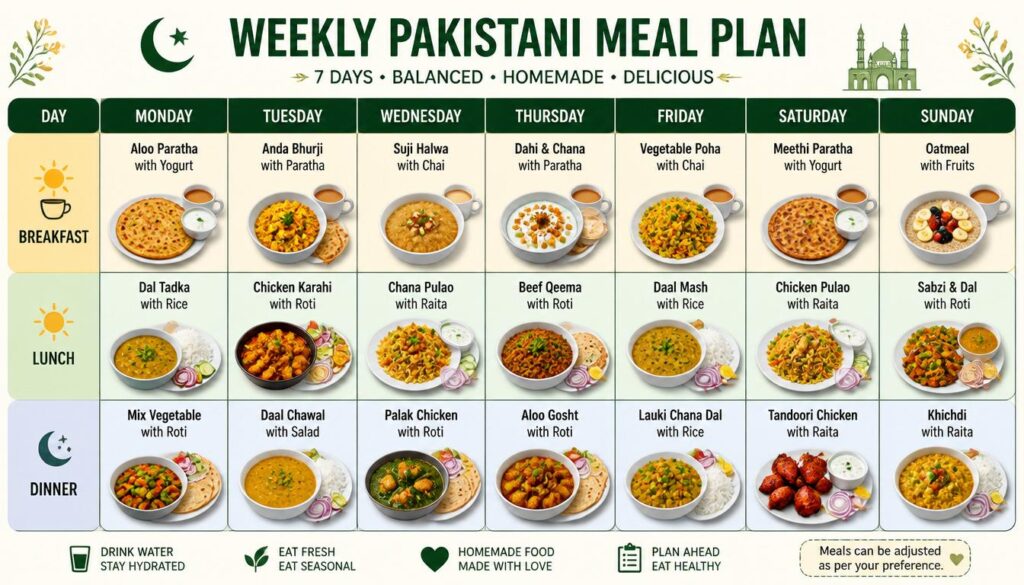
A full 7-day Pakistani meal plan
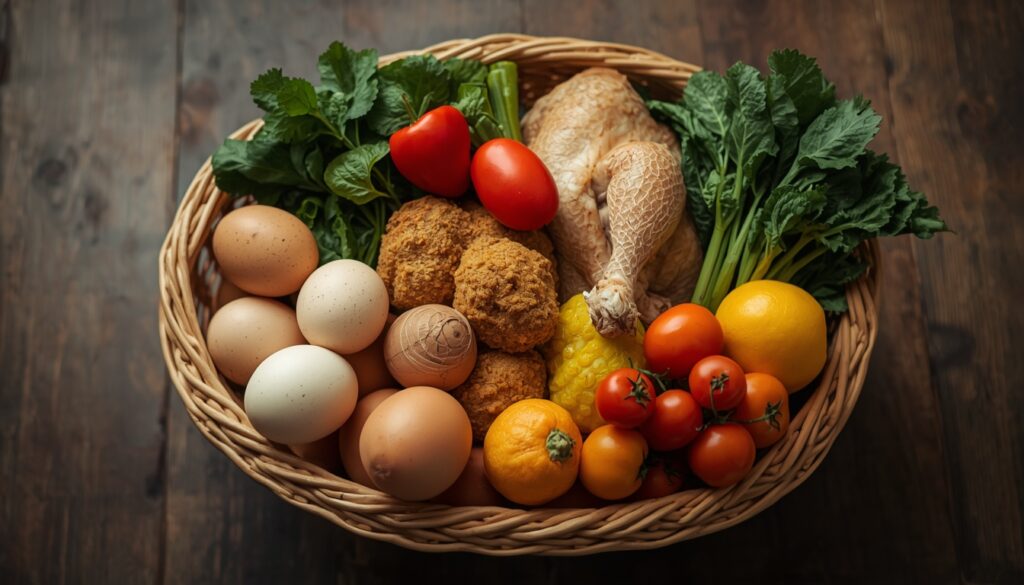
A weekly grocery list with realistic PKR prices
Practical tips and the most common mistakes to avoid
Answers to the questions Pakistanis ask most about dieting
Let’s get into it.
Why Most Diets Fail in Pakistan
Most weight loss advice online is written for a Western diet and lifestyle. It doesn’t account for how we actually eat. Here’s what typically derails weight loss for Pakistani dieters:
Too much oil. Many home kitchens still use generous amounts of oil or ghee for daily cooking — far more than needed for flavor.
Portions built for sharing. A “normal” plate of rice or a stack of two to three rotis is often double what an individual actually needs.
Sugary drinks everywhere. Cold drinks at every gathering, sugarcane juice in summer, and doodh-patti tea multiple times a day add up to hundreds of hidden calories.
White flour dominance. Maida-based naan, bakery biscuits, and bread are cheap, tasty, and low in fiber — meaning you get hungry again quickly.
Fried snacks as a daily habit. Samosas and pakoras aren’t just an occasional treat in many households; they’re a near-daily evening ritual.
Not enough protein. Meals are often carb-heavy (rice, roti, naan) with protein as an afterthought rather than the main event.
Sedentary routines. Rickshaws, cars, and desk jobs mean many people walk far less than their bodies are designed for.
None of this means Pakistani food is “bad.” It means the default preparation and portioning need small, sustainable adjustments — not a complete overhaul.
Understanding Weight Loss: The Basics
Before jumping into food lists, it helps to understand what actually causes weight loss. It isn’t magic, and it isn’t about any single “superfood.”
Calories are simply units of energy. Your body needs a certain number each day to function — this is called your maintenance level.
Calorie deficit means consistently eating somewhat fewer calories than your body burns. This is the single most important factor in weight loss. Everything else — food choice, timing, exercise — supports this deficit or makes it easier to sustain.
Protein helps preserve muscle while you lose fat, keeps you fuller for longer, and has a higher “thermic effect” (your body burns more calories digesting it) than carbs or fat.
Carbohydrates are your body’s preferred energy source. The type matters more than the total avoidance — whole grains and legumes digest slowly and keep blood sugar stable, while refined carbs (maida, sugar) spike it.
Healthy fats (from nuts, seeds, olive oil, fish) support hormone health and satiety, but are calorie-dense, so portion matters.
Fiber (from vegetables, fruits, whole grains, lentils) slows digestion, supports gut health, and helps control appetite.
Water often gets confused with hunger. Drinking enough water throughout the day, and especially before meals, can meaningfully reduce overeating.
Nutrient Roles at a Glance
Nutrient
Main Role
Best Pakistani Sources
Protein
Preserves muscle, controls hunger
Chicken, eggs, fish, daal, chana, yogurt
Complex Carbs
Steady energy, fiber
Brown rice, whole wheat roti, oats
Healthy Fats
Hormones, satiety
Olive oil, almonds, walnuts, fish
Fiber
Digestion, fullness
Vegetables, fruits, lentils, whole grains
Water
Hydration, appetite control
Plain water, lemon water, herbal tea
Best Pakistani Foods for Weight Loss
Here are the most effective, affordable, and widely available foods for fat loss in Pakistan, organized by category.
Proteins
Food
Calories (100g, cooked)
Protein
Benefits
Best Serving Size
Chicken breast (grilled/boiled)
~165 kcal
31g
Lean, versatile, cheap
100–150g per meal
Eggs
~78 kcal each
6g each
Affordable, complete protein
2–3 eggs
Fish (rohu/tilapia)
~120–150 kcal
20–24g
Omega-3s, easy to digest
100–150g
Daal (lentils)
~115 kcal
9g
Cheap, high fiber, plant protein
1 cup cooked
Lobia (beans)
~130 kcal
8g
Fiber + protein combo
1 cup cooked
Chana (chickpeas)
~164 kcal
9g
Filling, versatile
1 cup cooked
Plain yogurt (dahi)
~60 kcal
3.5g
Probiotics, calcium
1 cup
Carbohydrates
Food
Calories (100g cooked)
Notes
Brown rice
~110 kcal
More fiber than white rice, slower digestion
Whole wheat roti
~85 kcal (1 medium)
Better than naan/paratha for daily eating
Oats
~68 kcal (cooked)
Great breakfast base, very filling
Sweet potato
~86 kcal
Naturally sweet, nutrient-dense
Vegetables
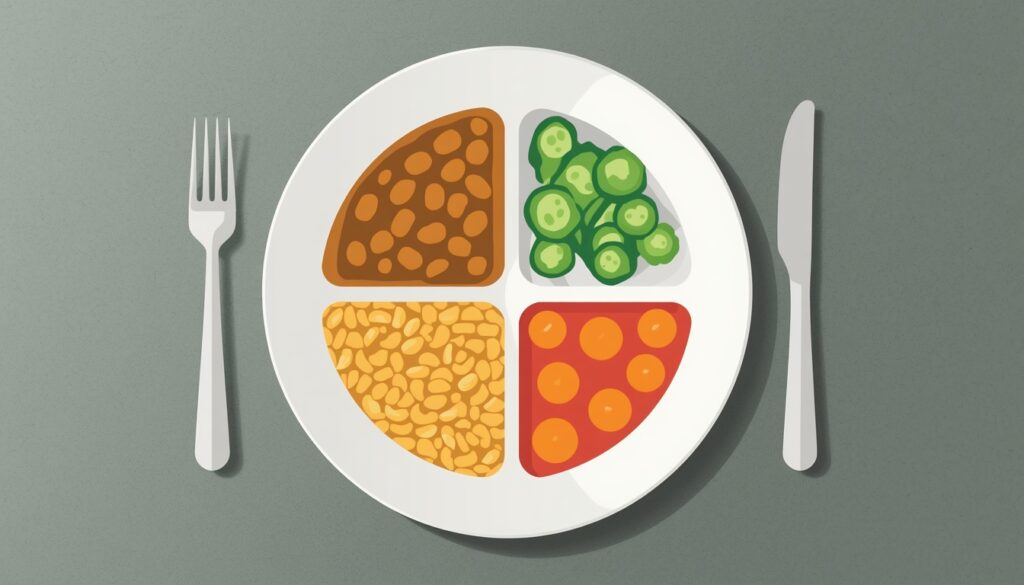
Bhindi, karela, palak, tinda, lauki, gobi, and mixed salad (cucumber, tomato, onion) are all low-calorie, high-fiber, and inexpensive. Aim to fill half your plate with vegetables at lunch and dinner.
Fruits
Apples, guava, papaya, oranges, and berries in season are excellent choices — high fiber, naturally sweet, and satisfying. Mangoes and bananas are healthy too, just slightly higher in natural sugar, so keep portions moderate (half a mango, one banana) if you’re in an active weight loss phase.
Healthy Fats
Small amounts of olive oil, almonds, walnuts, and flaxseed support hormone health without wrecking your calorie budget. A handful (not a bowlful) is the right serving size.
Deep-fried, high in refined carbs and oil, easy to overeat
Jalebi / Mithai
Very high sugar and fat combination, minimal fullness
Soft drinks
Pure sugar calories with no nutrition or satiety
Bakery items (biscuits, cakes, rusk)
Refined flour and sugar, low fiber
Fried paratha
High oil content even in a “healthy” roti format
Sugary tea (multiple cups/day)
Hidden sugar calories add up fast across the day
Excess sugar (in general)
Spikes blood sugar, increases cravings, low satiety per calorie
This doesn’t mean total, permanent elimination — occasional treats are part of a sustainable lifestyle. The goal is making these “sometimes” foods instead of daily habits.
Sample 7-Day Pakistani Weight Loss Meal Plan
This plan is built around a moderate calorie deficit (roughly 1,400–1,600 kcal/day for most adults — adjust based on your size, activity level, and goals) using affordable, widely available foods.
Prices below are approximate averages and will vary by city, season, and market — always check local rates, as prices fluctuate.
Food
Weekly Quantity
Approx. Cost (PKR)
Benefits
Chicken (boneless/breast)
1 kg
700–900
Lean protein staple
Eggs
1 dozen
300–400
Cheap complete protein
Daal (mixed lentils)
1 kg
300–400
Fiber + plant protein
Chana / Lobia
1 kg combined
250–350
Filling, budget-friendly
Plain yogurt (dahi)
1 kg
150–200
Protein + probiotics
Whole wheat atta
5 kg
700–900
Roti staple
Seasonal vegetables
3–4 kg mixed
400–600
Fiber, micronutrients
Seasonal fruit
2–3 kg
300–500
Natural sugar with fiber
Oats
500g pack
250–350
Filling breakfast base
Cooking oil
Reduce to ~500ml/week
250–300
Use sparingly, prefer measured pouring
A full week of weight-loss-friendly groceries for one person typically runs somewhere around PKR 3,500–4,500, which is often comparable to or cheaper than regular grocery habits once fried snacks and soft drinks are removed.
Weight Loss Tips That Actually Work
Practice portion control rather than total elimination — smaller plates, one roti instead of three.
Drink water consistently, including a glass before meals to help manage appetite.
Walk daily. Even 30–40 minutes of brisk walking makes a real difference over weeks.
Add strength training. Building or preserving muscle keeps your metabolism higher as you lose fat.
Prioritize sleep. Poor sleep is strongly linked to increased hunger and cravings.
Aim for consistency over perfection. A sustainable 80%-on-track plan beats a “perfect” plan you quit after two weeks.
Common Mistakes Pakistanis Make While Dieting
Skipping meals to “save calories” — this often backfires into overeating later.
Cutting out roti entirely instead of just moderating portions.
Drinking sugary tea multiple times a day without counting it as a real calorie source.
Believing “desi ghee” in any amount is automatically healthy — it’s still calorie-dense.
Doing crash diets that aren’t sustainable beyond a week or two.
Ignoring protein and filling up mostly on rice or naan.
Underestimating oil used in cooking — a heavy hand with oil adds up fast.
Treating fruit as “unlimited” because it’s natural — portion still matters.
Not tracking progress, so it’s hard to know what’s actually working.
Expecting overnight results and giving up when the scale moves slowly.
Copying international diet plans that ignore local food availability and culture.
Frequently Asked Questions
Can I eat roti while losing weight? Yes. Whole wheat roti in moderate portions (1–2 per meal) fits well into a weight loss diet. The issue is usually quantity and pairing it with oily curries, not roti itself.
Is rice bad for weight loss? No, rice isn’t inherently bad — portion size matters most. Brown rice offers more fiber, but white rice in a controlled portion can still fit into a calorie deficit.
Can I eat mangoes while trying to lose weight? Yes, in moderation. Mangoes are nutritious but higher in natural sugar than some fruits, so half a mango rather than a whole one is a reasonable portion during an active weight loss phase.
Is desi ghee healthy? Desi ghee has some nutritional benefits, but it’s very calorie-dense. Small amounts occasionally are fine; using it as your everyday cooking fat in large quantities works against a calorie deficit.
Can I lose weight without a gym? Yes. Walking, home bodyweight exercises, and diet changes can produce meaningful weight loss without gym equipment, though strength training can speed up results and improve body composition.
How much weight can I realistically lose per week? A safe, sustainable rate is generally around 0.5–1 kg per week for most people, achieved through a moderate calorie deficit.
Do I need to completely stop eating fried food? No. Making fried snacks an occasional treat rather than a daily habit is a realistic, sustainable approach.
Is intermittent fasting good for Pakistani dieters? It can work for some people as a tool to manage total calorie intake, but it isn’t magic — the calorie deficit still matters most. It should fit your lifestyle and health situation.
Can I lose belly fat specifically? Spot reduction isn’t possible — fat loss happens across the whole body based on genetics and overall calorie deficit, with the abdomen often being one of the last areas to show visible change.
Is it necessary to hire a personal trainer? Not necessary, but a certified trainer can personalize your plan, correct your form, and keep you accountable — which often speeds up results.
How many rotis should I eat per day to lose weight? This depends on your total calorie needs, but many people find 2–4 rotis per day (spread across meals) works well within a moderate deficit, paired with adequate protein and vegetables.
Is milk tea okay in moderation? Yes, 1–2 cups a day with reduced sugar is generally fine. The concern is drinking it 5+ times daily with heaped sugar each time.
What is the best time to eat dinner for weight loss? There’s no single “magic” time — total daily calories matter more than timing. That said, avoiding very heavy meals right before sleep can help with digestion and sleep quality.
Can students and office workers follow this diet on a tight schedule? Yes. Many of the meals in this plan (boiled eggs, yogurt, daal, roti) are quick to prepare or can be batch-cooked in advance for busy weekdays.
Do I need supplements to lose weight? No supplement replaces a calorie deficit and good food choices. Some people use protein powder or multivitamins for convenience, but they’re optional, not essential.
How to Adjust This Plan for Your Own Body
Every “sample” meal plan is a starting template, not a rigid rulebook. Here’s how to make it work for you specifically:
If you’re a student or office worker with limited cooking time, batch-cook daal, boiled eggs, and grilled chicken on weekends so weekday meals take minutes, not hours.
If you’re a housewife cooking for the whole family, cook one base curry with less oil for everyone, then simply portion your own plate smaller and add extra salad or vegetables to fill up.
If you’re a gym beginner, keep the protein targets in this plan but don’t stress about hitting an exact number — consistency matters more than precision in the first few months.
If you’re on a tighter budget, lean more heavily on eggs, daal, chana, and seasonal vegetables, which offer some of the best protein and fiber per rupee spent.
If weight loss has stalled, reassess portion sizes first (it’s usually oil or rice/roti quantity creeping up) before assuming you need a completely different plan.
Everybody’s calorie needs differ based on age, height, current weight, gender, and activity level. The meal plan above is a reasonable starting point for many adults, but if you want a plan calculated specifically for your body and goals, working with a certified nutritionist or trainer — easy to find through FitnessAdda.pk — can save you months of guesswork.
Conclusion
Losing weight in Pakistan doesn’t mean giving up daal-chawal, roti, or your Sunday chicken karahi. It means understanding portions, prioritizing protein, cutting back on fried snacks and sugary drinks, and staying consistent over time. Small, sustainable changes — not extreme diets — are what actually work long term.
Start with one change this week: maybe it’s swapping one paratha for a whole wheat roti, or walking 30 minutes daily. Build from there.
Looking for a gym or certified personal trainer to support your weight loss journey? Discover verified gyms and trainers across Pakistan on FitnessAdda.pk.
Starting a journey toward a healthier version of yourself can feel overwhelming, especially when balancing traditional Pakistani culinary habits with modern wellness goals. You are not alone in this struggle. Many of us find it difficult to reconcile our love for rich, flavorful meals with the need for sustainable health changes.
This Complete Weight Loss Guide is designed to bridge that gap. By focusing on practical weight loss tips that respect our local culture, you can achieve lasting results without giving up the foods you love. Success is not about restriction; it is about finding balance.
We will explore effective weight loss strategies tailored to your unique metabolic profile and daily routine. By making small, consistent adjustments, you can transform your lifestyle and feel more energized every single day.
Key Takeaways
Understand how to balance traditional Pakistani meals with nutritional needs.
Focus on long-term lifestyle habits rather than temporary fixes.
Learn how to tailor fitness routines to your specific daily schedule.
Discover the importance of metabolic health in your personal journey.
Implement small, consistent changes for sustainable results.
Understanding the Science of Weight Loss
Mastering the biology of your body is essential for implementing proven weight loss techniques effectively. Many people view weight management as a mystery, but it is actually rooted in clear biological processes that dictate how we store and burn energy.
The Caloric Deficit Principle
At its core, weight loss relies on the principle of energy balance. When you consume fewer calories than your body requires to maintain its current weight, you create a caloric deficit. This forces your system to tap into stored fat reserves to bridge the energy gap.
To achieve this safely, consider these foundational steps:
Track your daily intake to understand your current habits.
Focus on nutrient-dense foods that keep you full longer.
Avoid extreme restrictions that can slow down your progress.
Metabolism and Basal Metabolic Rate
Your Basal Metabolic Rate (BMR) represents the number of calories your body burns at rest just to keep your organs functioning. It is a major component of your total daily energy expenditure. Understanding your BMR helps you apply proven weight loss techniques that align with your body’s unique needs.
Factors that influence your metabolic rate include:
Muscle Mass: Higher muscle content increases your resting calorie burn.
Age and Gender: These biological factors naturally shift your metabolic requirements over time.
Activity Levels: Daily movement adds to your base metabolic needs.
The Role of Hormones in Fat Storage
Hormones act as chemical messengers that tell your body whether to store fat or burn it for fuel. For instance, insulin levels play a massive role in how your body manages blood sugar and fat storage. When insulin is consistently high, your body finds it much harder to access stored fat.
Managing stress is another vital part of using proven weight loss techniques. High levels of cortisol, the stress hormone, can lead to increased fat storage, particularly around the midsection. By balancing your hormones through proper nutrition and rest, you create an environment where your body is primed for success.
Setting Realistic and Sustainable Goals
Creating a sustainable weight loss plan begins with understanding that your goals should be personal and realistic. Many people fall into the trap of chasing arbitrary numbers that do not reflect their unique body composition. By focusing on health rather than just a number on a scale, you set yourself up for long-term success.
Defining Your Target Weight
Your ideal weight is not a one-size-fits-all figure found in a textbook. Instead, it is a range where your body feels energized, strong, and healthy. Consulting with a professional can help you determine a target that respects your muscle mass and bone density.
When you define your goals, consider how your body functions at different weights. A sustainable weight loss plan prioritizes how you feel during daily activities in Pakistan, such as walking to the market or playing with your children. Focus on these functional markers to keep your motivation high.
Tracking Progress Beyond the Scale
The scale often fails to tell the whole story of your transformation. You might be losing fat while gaining muscle, which keeps your weight stable even as your body shape changes. Pay attention to these non-scale victories to stay encouraged:
Your clothes fit more comfortably around the waist.
You experience higher energy levels throughout the day.
Your sleep quality improves significantly.
You feel less winded after climbing stairs.
The Importance of Patience and Consistency
True transformation requires time and a steady approach. Many people quit because they expect rapid results, but a sustainable weight loss plan is built on small, daily habits. Consistency is the bridge between your current state and your future health goals.
Goal Type
Focus Area
Expected Outcome
Short-term
Daily Habits
Building Routine
Mid-term
Body Composition
Improved Fitness
Long-term
Lifestyle Change
Lasting Health
Remember that patience is your greatest ally. Even when progress feels slow, your body is adapting to healthier patterns. Stay committed to your plan, and you will see the results you desire over time.
Adapting Traditional Pakistani Cuisine for Weight Loss
Achieving a healthy weight while eating authentic Pakistani dishes is entirely possible with the right approach. You do not need to abandon your cultural heritage to see results on the scale. By using proven weight loss techniques, you can enjoy the flavors you love while maintaining a caloric deficit.
Portion Control with Roti and Rice
The secret to enjoying staples like roti and rice lies in mindful portion management. Instead of serving large heaps of white rice, try using a smaller bowl to measure your intake. This simple shift helps you stay within your calorie goals without feeling deprived of your favorite meals.
Consider swapping one large roti for a smaller, whole-wheat version. Consistency is key when you are learning to balance your plate. By focusing on these proven weight loss techniques, you can still enjoy a satisfying meal with your family.
Healthier Cooking Methods for Desi Dishes
Traditional cooking often involves heavy use of oil or ghee, which can quickly increase the calorie count of a dish. You can significantly reduce these calories by opting for non-stick cookware or using a measured amount of healthy fats. Grilling, steaming, or baking your proteins instead of deep-frying them preserves the flavor while keeping the meal light.
Try using yogurt-based marinades for your meats to add moisture without the need for excess oil. These small adjustments make a big difference in your daily energy balance. Embracing these proven weight loss techniques allows you to keep the authentic taste of desi cuisine intact.
Incorporating More Fiber-Rich Vegetables
Adding more fiber-rich vegetables to your curries and stews is a fantastic way to increase satiety. Vegetables like spinach, cauliflower, and okra add volume to your plate, helping you feel full for longer periods. This approach naturally reduces the need for larger portions of carbohydrates.
Try to fill half of your plate with seasonal vegetables before adding your main dish. This habit ensures you get essential vitamins while supporting your weight management goals. Below is a comparison of how simple changes can improve your daily meals.
Cooking Method
Traditional Approach
Healthier Alternative
Oil Usage
Deep-frying in ghee
Light sautéing or steaming
Carbohydrates
Large portions of white rice
Controlled portions of brown rice
Vegetable Prep
Cooked in heavy cream
Lightly spiced with fresh herbs
Protein
Fried meat curries
Grilled or roasted lean meats
Building a Balanced Healthy Meal Plan
Creating a sustainable diet starts with understanding how to build healthy meal plans for weight loss. When you organize your meals with intention, you provide your body with the fuel it needs to function optimally while shedding excess weight. A structured approach removes the guesswork from your daily routine.
Prioritizing Protein for Satiety
Protein is the most important macronutrient for keeping hunger at bay. By including high-quality sources like chicken, lentils, or eggs in your meals, you stay full for longer periods. This satiety helps prevent unnecessary snacking between meals.
Focusing on protein also supports muscle maintenance during your weight loss journey. When you preserve lean muscle mass, your body continues to burn calories efficiently throughout the day. Aim to include a palm-sized portion of protein in every meal you consume.
Choosing Complex Carbohydrates Over Refined Options
Complex carbohydrates are essential for providing sustained energy levels. Unlike refined options, such as white bread or sugary snacks, complex carbs digest slowly. This process prevents the sharp blood sugar spikes that often lead to energy crashes and cravings.
Opt for whole grains like brown rice, oats, or whole-wheat roti to keep your metabolism steady. These fiber-rich choices improve digestion and keep you feeling satisfied. Making this simple switch is a cornerstone of effective healthy meal plans for weight loss.
“Food is not just fuel; it is information that tells your body how to function, grow, and repair itself every single day.”
— Anonymous
The Role of Healthy Fats in Your Diet
Many people mistakenly fear fats, but they are vital for your overall health. Healthy fats, such as those found in nuts, seeds, and olive oil, support hormonal balance. They also assist in the absorption of essential vitamins like A, D, E, and K.
Including moderate amounts of these fats ensures your body functions at its peak. Do not shy away from healthy sources, as they contribute to long-term success. Use the following table to guide your food choices for a balanced plate.
Nutrient Category
Best Choices
Limit/Avoid
Protein
Grilled Chicken, Lentils, Fish
Processed Meats, Fried Nuggets
Carbohydrates
Brown Rice, Oats, Vegetables
White Bread, Pastries, Soda
Healthy Fats
Almonds, Walnuts, Olive Oil
Vanaspati Ghee, Trans Fats
Hydration and Its Impact on Metabolism
Proper hydration acts as a silent partner in your weight loss efforts by regulating appetite and improving metabolic efficiency. Many people focus heavily on food choices while neglecting the liquid calories and hydration levels that dictate how well their body burns fat. When you are well-hydrated, your body can process nutrients more effectively and maintain higher energy levels throughout the day.
Water Intake Requirements for Weight Loss
There is no single magic number for water intake, but a good rule of thumb is to aim for at least eight glasses daily. Your specific needs may vary based on your activity level, the hot climate in Pakistan, and your current body weight. Staying consistent with your water intake helps your kidneys function optimally and prevents the body from confusing thirst with hunger signals.
Drinking a glass of water before each meal can also help you feel fuller, which naturally leads to smaller portion sizes. This simple habit is a powerful tool for anyone looking to manage their caloric intake without feeling deprived. Make sure to keep a reusable bottle nearby to remind yourself to sip regularly.
Avoiding Sugary Drinks and Traditional Sweetened Teas
In many households, sugary sodas and heavily sweetened chai are staples that can quickly derail your progress. These drinks are often packed with empty calories that spike your blood sugar levels and lead to fat storage. Cutting out these beverages is one of the fastest ways to reduce your daily calorie count without changing your solid food intake.
Even traditional teas, when loaded with sugar or condensed milk, act more like a dessert than a hydrating beverage. Transitioning away from these high-sugar options is essential for long-term success. You might find it difficult at first, but your palate will eventually adjust to less sweetness.
The Benefits of Herbal Teas and Infusions
If you find plain water boring, herbal teas and infusions offer a flavorful, calorie-free alternative to keep you hydrated. Options like green tea, peppermint, or ginger tea provide antioxidants that can further support your metabolic health. Choosing these natural infusions allows you to enjoy a warm, comforting drink without the negative impact of added sugars.
Beverage Type
Calorie Content
Impact on Weight Loss
Plain Water
Zero
Excellent (Boosts Metabolism)
Sweetened Chai
High
Negative (Spikes Insulin)
Herbal Tea
Negligible
Positive (Antioxidant Support)
Sugary Soda
Very High
Poor (Promotes Fat Storage)
Effective Physical Activity Strategies
Physical activity serves as a cornerstone for anyone looking to transform their body composition. By combining consistent movement with a healthy diet, you create the perfect environment for your body to shed excess weight. Finding the best exercises for weight loss is a personal journey that should align with your current fitness level and lifestyle.
Cardiovascular Exercises for Fat Burning
Cardio is highly effective for increasing your heart rate and burning calories during your workout. Activities like brisk walking, jogging, or cycling are excellent choices for those living in Pakistan, as they require minimal equipment. Consistency is key when it comes to cardiovascular training, so choose an activity you genuinely enjoy.
Aim for at least 150 minutes of moderate-intensity aerobic activity each week to see significant improvements. You can break this down into smaller, manageable sessions throughout the day if your schedule is tight. Remember that the goal is to keep your heart rate elevated enough to challenge your cardiovascular system.
Strength Training to Boost Metabolic Rate
Many people overlook resistance training, yet it is one of the most vital weight loss strategies available. When you lift weights or perform bodyweight exercises, you build lean muscle mass. This increase in muscle tissue helps boost your resting metabolic rate, meaning you burn more calories even while you are at rest.
https://fitnessadda.pk/blogsYou do not need a fancy gym membership to get started with strength training. Simple movements like squats, lunges, and push-ups can be done in the comfort of your own home. Focusing on compound movements that engage multiple muscle groups will provide the most efficient results for your time.
Incorporating Daily Movement in a Busy Schedule
Life can get incredibly busy, but staying active does not always require a dedicated hour at the gym. You can integrate movement into your day by taking the stairs instead of the elevator or walking during your phone calls. These small, intentional choices add up significantly over time.
Try to find pockets of time during your morning or evening routine to move your body. Even a quick 15-minute walk after dinner can improve digestion and help you stay on track with your goals. By prioritizing movement, you are investing in your long-term health and vitality.
The Complete Weight Loss Guide to Lifestyle Changes
Lifestyle habits are the hidden pillars of any successful weight loss journey. While diet and exercise are essential, this Complete Weight Loss Guide emphasizes that your daily routines dictate your long-term results. Small adjustments in how you rest, handle pressure, and organize your home can lead to significant health improvements.
Prioritizing Quality Sleep for Weight Management
Sleep is often the most neglected factor in health. When you do not get enough rest, your body struggles to regulate hunger hormones like ghrelin and leptin. This hormonal imbalance often triggers intense cravings for high-calorie, sugary snacks.
Aim for seven to nine hours of quality sleep every night. Establishing a consistent bedtime routine helps your body recover and keeps your metabolism functioning at its peak. Quality rest is truly the foundation of your success.
Managing Stress Levels to Prevent Emotional Eating
High stress levels lead to increased cortisol production, which encourages the body to store fat, especially around the midsection. Many people turn to comfort foods as a way to cope with daily pressures. This emotional eating can quickly derail your progress.
Try incorporating mindfulness techniques such as deep breathing or light stretching into your day. Finding healthy outlets for stress is a core component of this Complete Weight Loss Guide. By managing your mental well-being, you reduce the urge to snack mindlessly.
Building a Supportive Environment at Home
Your surroundings significantly influence your daily choices. If your kitchen is stocked with processed snacks, you are more likely to eat them. Start by clearing your pantry of unhealthy temptations and replacing them with whole, nutritious options.
Involve your family in your journey to create a shared culture of health. When your home environment supports your goals, staying consistent becomes much easier. A supportive household is a powerful tool in your Complete Weight Loss Guide.
Lifestyle Factor
Negative Impact
Positive Outcome
Sleep Duration
Increased hunger hormones
Better appetite control
Stress Levels
High cortisol and cravings
Improved emotional balance
Home Environment
Easy access to junk food
Sustainable healthy habits
Navigating Social Gatherings and Dining Out
Navigating the vibrant social scene of Pakistan while staying committed to your health goals is entirely possible with the right approach. In our culture, food is the heart of every celebration, which can sometimes make sticking to a diet feel like a lonely task. However, you can enjoy these moments without compromising your progress by making informed decisions.
Making Smart Choices at Weddings and Events
Weddings in Pakistan are famous for their elaborate buffets and endless dessert tables. Instead of feeling overwhelmed, try to survey the entire spread before picking up a plate. Prioritize protein and vegetables first, filling half your plate with these options to ensure you feel satisfied.
You can still enjoy your favorite traditional dishes by practicing portion control. Take small spoonfuls of rich curries or biryani rather than piling them high. By choosing one small treat instead of sampling everything, you keep your calorie intake in check while still participating in the festivities.
Strategies for Eating Out Without Overindulging
Dining out at restaurants is a common way to connect with friends, but it often leads to hidden calories. Before you head out, check the menu online to identify healthier options like grilled kebabs or tandoori dishes. This simple step prevents impulsive ordering when you are hungry and surrounded by tempting smells.
When you arrive, consider ordering a salad or a clear soup as a starter to curb your appetite. Mindful eating is your best tool; chew slowly and savor every bite to recognize when you are full. If the portion size is large, do not hesitate to ask for a takeaway box immediately to avoid overeating.
Dish Type
High-Calorie Option
Healthier Alternative
Main Course
Deep-fried Chicken Karahi
Grilled Chicken Tikka
Side Dish
Butter Naan
Whole Wheat Roti
Beverage
Sweetened Lassi
Fresh Lemonade (No Sugar)
Dessert
Gulab Jamun
Fresh Fruit Salad
Communicating Your Goals to Friends and Family
Sharing your health journey with your inner circle can be a game-changer for your long-term success. Many people in your life may not realize you are trying to lose weight and might offer extra helpings out of kindness. Be honest and polite when explaining that you are focusing on your health.
Most friends and family will be supportive once they understand your commitment. You can even suggest activities that do not revolve around food, such as going for a walk or visiting a park. Clear communication helps build a supportive environment where you feel encouraged rather than pressured.
Common Pitfalls and How to Overcome Them
Every path to a healthier body is filled with unexpected twists and turns. It is important to remember that your journey is unique, and encountering challenges does not mean you have failed. By applying practical weight loss tips, you can navigate these moments with confidence and stay focused on your long-term health.
Dealing with Weight Loss Plateaus
A plateau occurs when your body adapts to your current routine, causing weight loss to stall. This is a natural physiological response, not a sign that you should give up. Consistency is your greatest ally during these times.
To break through, try slightly increasing the intensity of your workouts or adjusting your daily caloric intake. Sometimes, simply adding more variety to your physical activities can shock your metabolism back into action. Keep tracking your food intake to ensure you are still maintaining a deficit.
Handling Cravings and Occasional Setbacks
Cravings are a normal part of life, especially when you are surrounded by delicious traditional foods. If you indulge occasionally, do not let it spiral into a cycle of guilt. One meal will not undo your hard work.
“Success is not final, failure is not fatal: it is the courage to continue that counts.”
Winston Churchill
Instead of restricting yourself, practice moderation and get back to your healthy habits at the very next meal. Acknowledge the setback, learn from the trigger, and move forward with a positive mindset.
Avoiding Fad Diets and Unrealistic Promises
Many people fall into the trap of seeking quick weight loss methods that promise dramatic results in just a few days. These programs are often unsustainable and can lead to nutrient deficiencies or muscle loss. True health is built on slow, steady progress rather than temporary fixes.
Be wary of any plan that requires extreme restriction or eliminates entire food groups. Relying on quick weight loss methods often leads to regaining the weight once you return to normal eating patterns. Focus on building habits that you can maintain for a lifetime.
The Role of Supplements and Natural Aids
Navigating the world of health supplements requires a clear understanding of what your body truly needs. While many people search for a quick fix, it is important to remember that supplements are not a magic solution. Instead, they function best as a supportive tool within an effective weight loss program.
Understanding When Supplements Are Necessary
Supplements should primarily be used to address specific nutrient deficiencies that hinder your progress. If your diet lacks essential vitamins or minerals, your metabolism may not function at its peak. Identifying these gaps through blood tests is the most reliable way to determine if you need extra support.
You might consider supplementation if you have restricted food groups or struggle with low energy levels during exercise. However, always prioritize whole foods first. Supplements are meant to complement a balanced diet, not replace the nutrients found in fresh, wholesome meals.
Natural Ingredients Commonly Used in Pakistan
Pakistan is home to many traditional ingredients that have been used for centuries to support metabolic health. Incorporating these into your daily routine can be a gentle way to enhance your wellness journey. Many of these items are likely already in your kitchen pantry.
Ingredient
Primary Benefit
Usage Tip
Ginger
Aids digestion
Add to warm water or tea
Turmeric
Reduces inflammation
Use in curries or golden milk
Green Tea
Boosts metabolism
Drink without added sugar
Cinnamon
Regulates blood sugar
Sprinkle on oatmeal or yogurt
Safety Precautions and Consulting Professionals
Before adding any new product to your regimen, you must prioritize your safety. Not all supplements are regulated, and some may interact negatively with existing medications or health conditions. Always consult with a healthcare professional or a registered dietitian before starting a new supplement.
A qualified expert can help you tailor your choices to fit your unique body chemistry. This personalized approach ensures that your effective weight loss program remains safe and sustainable. Never rely on marketing claims alone; base your decisions on professional medical advice and scientific evidence.
Tracking Your Journey for Long-Term Success
Consistent data collection acts as one of the most powerful weight loss resources available to individuals today. By keeping a record of your daily habits, you gain the clarity needed to make informed decisions about your health. This practice turns abstract goals into concrete, manageable steps that lead to lasting change.
Using Food Journals and Mobile Applications
Logging your meals is a highly effective way to build awareness of your daily caloric and macronutrient intake. Whether you prefer a traditional handwritten journal or a modern smartphone app, the act of recording what you eat helps you identify hidden patterns in your diet. Consistency is the key to unlocking the full potential of these tools.
Many people find that using digital apps simplifies the process by providing instant nutritional data for common Pakistani dishes. When you track your intake, you can easily adjust your portions to ensure you stay within your target range. This level of detail is essential for anyone serious about mastering their nutrition.
Measuring Body Composition and Waist Circumference
While the scale is a common tool, it often fails to tell the whole story of your physical transformation. Focusing solely on weight can be misleading because it does not distinguish between fat loss and muscle gain. Instead, consider using these more accurate indicators of health:
Waist circumference: A simple tape measure can track reductions in abdominal fat, which is a key health marker.
Body composition: Monitoring changes in body fat percentage provides a clearer picture of your progress.
Clothing fit: Notice how your clothes feel, as this is often a more reliable sign of success than a number on a scale.
Reflecting on Non-Scale Victories
Staying motivated becomes much easier when you celebrate the small wins that happen every day. These non-scale victories are vital weight loss resources that keep you focused on your long-term vision. They remind you that your hard work is paying off in ways that go beyond simple weight reduction.
As you continue following your healthy meal plans for weight loss, take time to acknowledge improvements in your energy levels and mood. You might notice that you have more stamina during your daily walks or that you feel less sluggish after meals. These positive changes are significant milestones on your path to a healthier lifestyle.
Mindful Eating Practices for Better Digestion
Transforming your relationship with food starts with how you approach every single bite. Many people focus solely on what they eat, but how you eat is equally vital for long-term success. By practicing mindfulness, you can improve your digestion and make better use of available weight loss resources to reach your goals.
The Importance of Chewing Thoroughly
Digestion begins in the mouth, not the stomach. When you chew your food thoroughly, you break it down into smaller particles, which makes it much easier for your body to absorb essential nutrients. This simple habit also gives your brain enough time to receive signals that you are becoming full.
Many of us rush through our meals, barely tasting our food. By slowing down and chewing properly, you naturally reduce the amount of food you consume. This practice is a cornerstone of effective weight management.
Recognizing Hunger and Satiety Cues
Learning to distinguish between physical hunger and emotional triggers is a skill that takes time to develop. Physical hunger usually comes on gradually and is felt in the stomach. In contrast, emotional cravings often appear suddenly and are linked to specific moods or stress.
Pay close attention to your body’s signals. Stop eating when you feel comfortably satisfied rather than overly full. Listening to these internal cues helps prevent overeating and fosters a healthier connection with your daily meals.
Removing Distractions During Meal Times
In our busy lives, it is common to eat while watching television or scrolling through a phone. These distractions prevent you from truly appreciating your food and recognizing when you have had enough. When you remove these interruptions, you become more present during your meal.
Focusing entirely on your plate allows you to enjoy the flavors and textures of your food. Utilizing these mindful weight loss resources will help you build sustainable habits that last a lifetime. Take the time to savor every meal, and you will likely find that your digestion and overall satisfaction improve significantly.
Integrating Intermittent Fasting into Your Routine
While many people search for quick weight loss methods, sustainable results often come from changing how and when you eat. Intermittent fasting is not just a diet; it is a structured approach to timing your meals to support your body’s natural metabolic processes.
By giving your digestive system a break, you allow your body to focus on repair and energy regulation. This practice can easily fit into a busy lifestyle in Pakistan, provided you approach it with patience and a focus on nutrient-dense foods.
Understanding Different Fasting Protocols
The most popular approach is the 16:8 method, which involves fasting for 16 hours and eating during an 8-hour window. For example, you might finish your dinner by 8:00 PM and have your first meal at 12:00 PM the next day.
Other protocols include the 5:2 method, where you eat normally for five days and restrict calories on two non-consecutive days. It is essential to choose a schedule that aligns with your daily responsibilities and social commitments to ensure long-term success.
Benefits of Fasting for Insulin Sensitivity
One of the primary physiological advantages of fasting is the improvement of insulin sensitivity. When you fast, your body lowers insulin levels, which encourages the burning of stored fat for energy.
This metabolic shift is why many consider it one of the most effective quick weight loss methods available today. By keeping insulin levels stable, you reduce the likelihood of fat storage and help your body manage blood sugar levels more efficiently.
Tips for Staying Consistent During Fasting Windows
Consistency is the key to success when adopting any new health habit. Start by gradually shortening your eating window rather than jumping into a strict schedule immediately.
Stay hydrated during your fasting hours by drinking water, black coffee, or unsweetened herbal teas. Remember that the quality of your food during the eating window remains just as important as the timing itself. Focus on whole, unprocessed ingredients to maximize the benefits of these quick weight loss methods.
The Importance of Professional Guidance
Seeking professional guidance can be the missing link in your quest for long-term health and fitness. While personal motivation is vital, expert support provides the structure needed for lasting success. Collaborating with specialists ensures that your strategy is both safe and effective.
When to Consult a Nutritionist or Dietitian
A registered nutritionist or dietitian can help you navigate the complexities of dietary changes. They provide customized meal plans that respect your cultural preferences and nutritional needs. If you feel stuck despite your best efforts, a professional can identify hidden gaps in your current eating habits.
Working with Fitness Trainers for Personalized Plans
Fitness trainers play a crucial role in helping you move safely and efficiently. They assess your current physical capabilities to design a routine that minimizes injury risk. By working with a professional, you can discover the best exercises for weight loss that align with your specific body type and fitness level.
Identifying Underlying Health Conditions
Sometimes, weight management challenges stem from internal factors rather than just lifestyle choices. It is essential to undergo medical screenings to rule out hormonal imbalances or metabolic issues. Early detection of these conditions allows for a more targeted and successful approach to your health journey.
Professional Role
Primary Focus
Key Benefit
Nutritionist
Dietary Planning
Sustainable Eating
Fitness Trainer
Physical Activity
Optimized Movement
Medical Doctor
Health Screening
Safety & Diagnosis
Maintaining Your Weight Loss Results
Reaching your goal weight is a massive achievement, but the real journey begins now. Many people view the end of a diet as a return to old habits, but that is a common mistake. Instead, you should view this phase as the foundation of your new lifestyle.
An effective weight loss program is designed to be a permanent change rather than a temporary fix. By shifting your mindset, you can protect the progress you have worked so hard to earn.
Transitioning from Weight Loss to Maintenance
When you move into maintenance, your caloric needs will naturally shift. You are no longer in a strict deficit, which means you can slowly increase your intake to find your energy balance point. This is the time to focus on nutrient density rather than just counting every single calorie.
“Success is not final, failure is not fatal: it is the courage to continue that counts.”
Winston Churchill
Building a sustainable weight loss plan requires patience as you experiment with portion sizes. Listen to your body’s hunger cues and prioritize whole foods that keep you satisfied throughout the day.
Preventing Weight Regain Through Habit Formation
Habits are the strongest defense against weight regain. When healthy choices become automatic, you no longer need to rely on willpower alone. Consistency is the key to ensuring that your healthy behaviors remain a permanent part of your daily routine.
Try to maintain your exercise schedule even when life gets busy. Small, daily movements like walking after dinner or taking the stairs can make a significant difference in your long-term success.
Adjusting Your Strategy as Your Body Changes
Your body is dynamic, and your needs will evolve over time. As you age or change your activity levels, you must be willing to adjust your strategy accordingly. Do not be afraid to tweak your routine if you notice your weight creeping up or your energy levels dipping.
Staying flexible is a hallmark of a truly sustainable weight loss plan. By remaining mindful and proactive, you ensure that your effective weight loss program continues to serve your health goals for years to come.
Conclusion
Achieving your ideal weight requires a shift in perspective rather than a temporary change in habits. True health emerges from the small, daily choices you make regarding your nutrition and activity levels.
Sustainable success relies on consistency over intensity. By focusing on balanced meals and mindful movement, you build a foundation that supports your body for years to come.
Your journey is unique and personal. Be patient with your progress and treat yourself with kindness during every step of this transformation.
You now possess the tools to navigate challenges and maintain your results. Trust the process and stay committed to the healthy lifestyle you are creating today.
FAQ
How can I start a complete weight loss guide that actually works for my lifestyle?
Starting a complete weight loss guide involves more than just a diet; it requires a holistic approach that balances your physiological needs with your daily habits. In a cultural context like Pakistan, success comes from integrating weight loss tips into your routine, such as prioritizing protein and staying consistent with your goals. By focusing on both your metabolic profile and your lifestyle, you can build a foundation for long-term health.
What is the most important scientific principle behind an effective weight loss program?
The cornerstone of any effective weight loss program is the caloric deficit principle—consuming fewer calories than your body burns. Understanding your Basal Metabolic Rate (BMR) and how hormones like insulin and cortisol affect fat storage is crucial. By utilizing these proven weight loss techniques, you can make smarter decisions about your activity levels and food intake to ensure your body is efficiently burning fat.
How do I set goals that are part of a sustainable weight loss plan?
To create a sustainable weight loss plan, you must move beyond the number on the scale. Define your target weight based on body composition and focus on “non-scale victories,” such as having more energy or your clothes fitting better. Patience and consistency are your best friends here; small, steady progress is much more effective than chasing quick weight loss methods that are hard to maintain.
Can I still enjoy traditional Pakistani cuisine while trying to lose weight?
Absolutely! You don’t have to give up your favorites like Biryani or Karahi. The key is practicing weight loss strategies like portion control with roti and rice. Try healthier cooking methods, such as using a Philips Airfryer or switching to heart-healthy oils like Oliva. Adding more fiber-rich vegetables to your desi dishes will help you stay full while maintaining a caloric deficit.
What should I look for when building healthy meal plans for weight loss?
When designing healthy meal plans for weight loss, prioritize high-quality proteins like lentils, chicken, or fish to keep you satiated. Swap refined grains for complex carbohydrates like whole-wheat Atta from Sunridge, and don’t fear healthy fats found in nuts and seeds. This balance supports your hormones and provides the sustained energy you need to stay active.
Does hydration really impact my metabolism?
Yes, proper hydration is a vital part of any complete weight loss guide. Drinking enough water helps regulate your appetite and supports metabolic function. To see the best results, avoid sugary sodas and traditional sweetened teas. Instead, try flavorful, calorie-free alternatives like Tapal Green Tea or infused water to keep your hydration levels high throughout the day.
What are the best exercises for weight loss if I have a busy schedule?
The best exercises for weight loss involve a combination of cardiovascular activities, like brisk walking or cycling, and strength training to boost your resting metabolic rate. If you are short on time, try incorporating short bursts of movement, such as taking the stairs or following a 20-minute cult.fit workout at home, to keep your energy expenditure high.
How do sleep and stress affect my weight loss strategies?
Quality sleep and stress management are often the “missing links” in weight loss strategies. Poor sleep can disrupt hunger hormones, leading to cravings for high-calorie snacks, while high stress can trigger emotional eating. Building a supportive home environment and practicing relaxation techniques can help you stay on track and avoid these common hurdles.
How can I navigate Pakistani weddings and social events without overeating?
Social gatherings are a big part of life, but they don’t have to ruin your effective weight loss program. Try eating a small, healthy snack before you go, and practice mindful portion control at the buffet. Focus on the social aspect of the event rather than just the food, and don’t be afraid to communicate your health goals to your friends and family—they might even join you!
What should I do if I hit a weight loss plateau?
Plateaus are a natural part of the journey. To break through, try refreshing your weight loss tips by slightly increasing your exercise intensity or re-evaluating your caloric intake. Avoid the temptation of quick weight loss methods or fad diets that promise instant results, as these can lead to muscle loss and metabolic slowdown. Stay patient and trust the process.
Are supplements necessary for a successful weight loss journey?
While not a magic fix, some supplements can support your goals if you have specific nutrient deficiencies. Natural ingredients like ginger or green tea extract are popular in Pakistan for metabolic support. However, always consult with a professional at a clinic like Shifa International Hospital before starting any new regimen to ensure it is safe and right for your body.
What are the most helpful weight loss resources for tracking progress?
Some of the best weight loss resources include digital tools like MyFitnessPal or Lose It! to track your daily food intake. Beyond the scale, use a measuring tape to track changes in your waist circumference and body composition. Reflecting on how much stronger and more energetic you feel is a great way to stay motivated for the long haul.
How does mindful eating help with long-term success?
Mindful eating is a powerful practice that involves chewing your food thoroughly and paying attention to your body’s hunger and fullness cues. By removing distractions like your phone or the TV during meals, you can enjoy your food more and naturally prevent overeating, making it a key component of a sustainable weight loss plan.
Is intermittent fasting a safe option for me?
Intermittent fasting, such as the 16:8 method, can be a very effective way to improve insulin sensitivity and manage weight. While some see it as one of the quick weight loss methods, it is most effective when used as a long-term lifestyle change. Ensure you are still eating nutrient-dense foods during your eating window to maintain your energy levels.
When should I seek professional help for my weight loss?
If you feel stuck or have underlying health conditions like PCOS or thyroid issues, it is wise to consult a registered dietitian or a nutritionist at an institution like the Aga Khan University Hospital. A professional can help you create a personalized effective weight loss program and ensure you are losing weight in a way that is safe and tailored to your specific needs.