What is the best Pakistani diet for weight loss?
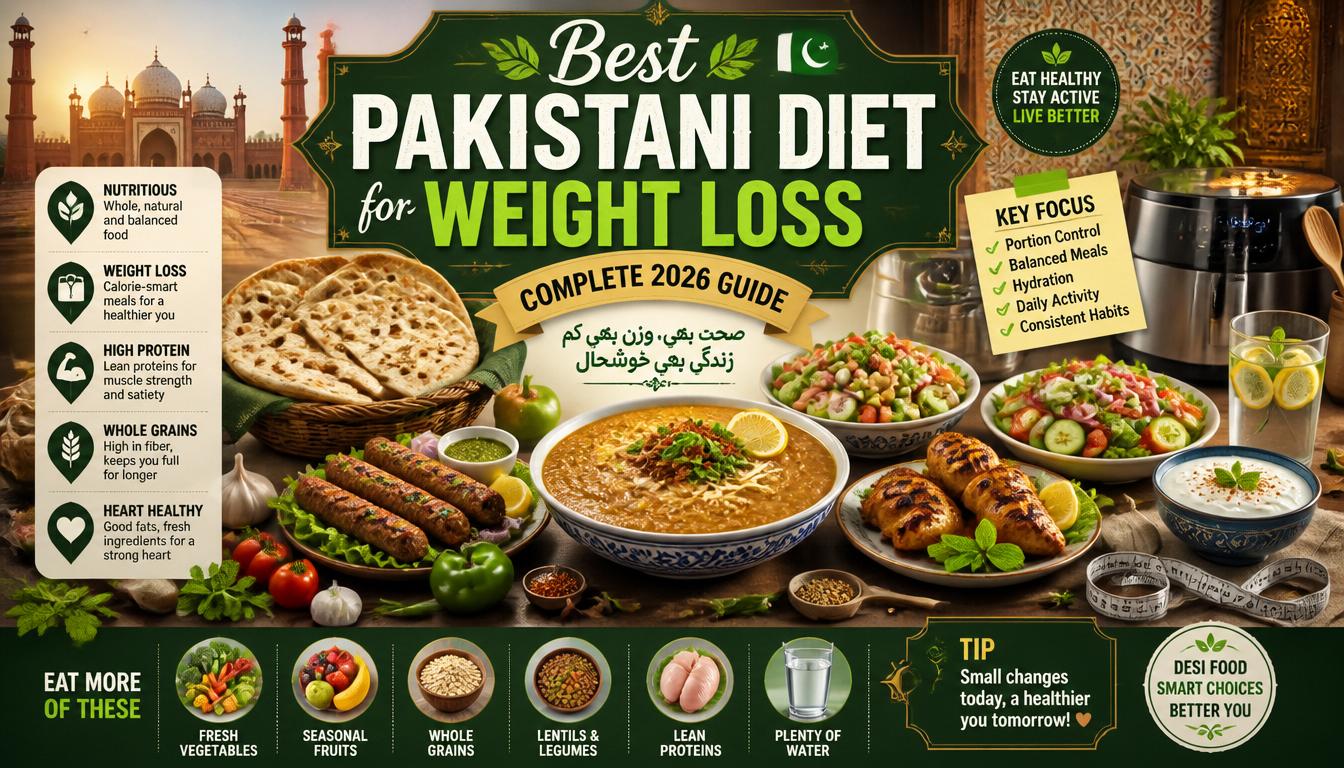
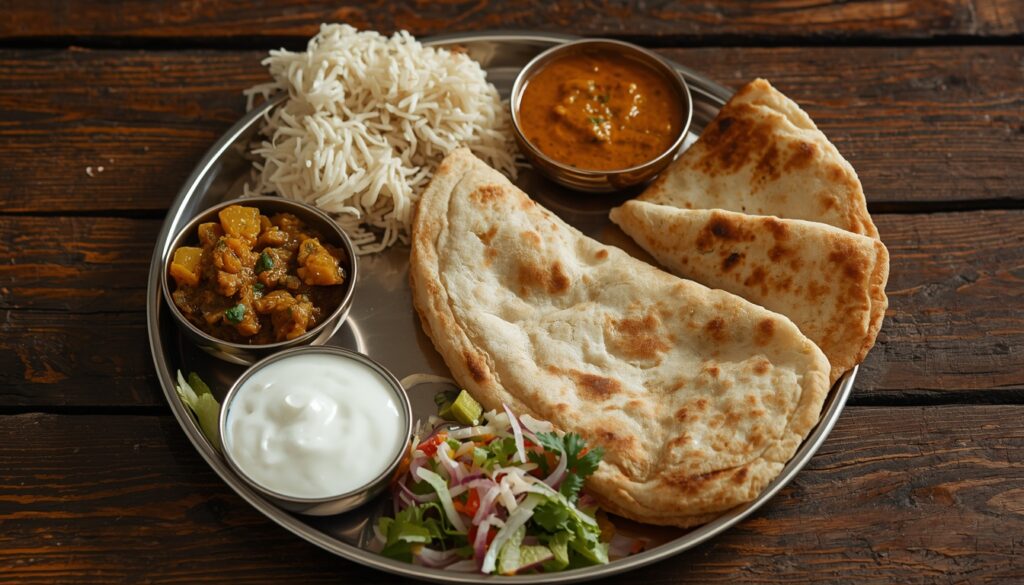
The best Pakistani diet for weight loss combines a moderate calorie deficit with familiar foods: roti made from whole wheat, daal, grilled chicken or fish, yogurt, vegetables, and fruit — while cutting back on fried snacks, sugary tea, and excess oil. It works because it uses foods you already eat, just in smarter portions and preparations.
Introduction
Walk into almost any Pakistani home and you’ll find a table full of daal, sabzi, roti, and maybe a bit of chicken karahi on a good day. So why do so many people here still struggle to lose weight, even when they’re eating “home-cooked” food?
The truth is, home-cooked doesn’t automatically mean healthy. A lot of us grew up on parathas fried in generous ghee, sugary doodh-patti tea five times a day, and portions sized for a joint family feast rather than one plate. Add a desk job, long commutes in traffic instead of walks, and late-night biryani orders, and the weight creeps up quietly.
The good news? You don’t need to give up Pakistani food to lose weight. You don’t need imported quinoa, avocado toast, or a diet plan built for someone living in London or Toronto. You need a plan that works with your kitchen, your budget, and your lifestyle — not against it.
In this guide, you’ll learn:
- Why most diets fail for Pakistani dieters specifically
- The basics of weight loss explained simply
- The best Pakistani foods for fat loss (with calories and protein)
- Foods that are quietly sabotaging your progress
- A full 7-day Pakistani meal plan
- A weekly grocery list with realistic PKR prices
- Practical tips and the most common mistakes to avoid
- Answers to the questions Pakistanis ask most about dieting
Let’s get into it.
Why Most Diets Fail in Pakistan
Most weight loss advice online is written for a Western diet and lifestyle. It doesn’t account for how we actually eat. Here’s what typically derails weight loss for Pakistani dieters:
- Too much oil. Many home kitchens still use generous amounts of oil or ghee for daily cooking — far more than needed for flavor.
- Portions built for sharing. A “normal” plate of rice or a stack of two to three rotis is often double what an individual actually needs.
- Sugary drinks everywhere. Cold drinks at every gathering, sugarcane juice in summer, and doodh-patti tea multiple times a day add up to hundreds of hidden calories.
- White flour dominance. Maida-based naan, bakery biscuits, and bread are cheap, tasty, and low in fiber — meaning you get hungry again quickly.
- Fried snacks as a daily habit. Samosas and pakoras aren’t just an occasional treat in many households; they’re a near-daily evening ritual.
- Not enough protein. Meals are often carb-heavy (rice, roti, naan) with protein as an afterthought rather than the main event.
- Sedentary routines. Rickshaws, cars, and desk jobs mean many people walk far less than their bodies are designed for.
None of this means Pakistani food is “bad.” It means the default preparation and portioning need small, sustainable adjustments — not a complete overhaul.
Understanding Weight Loss: The Basics
Before jumping into food lists, it helps to understand what actually causes weight loss. It isn’t magic, and it isn’t about any single “superfood.”
Calories are simply units of energy. Your body needs a certain number each day to function — this is called your maintenance level.
Calorie deficit means consistently eating somewhat fewer calories than your body burns. This is the single most important factor in weight loss. Everything else — food choice, timing, exercise — supports this deficit or makes it easier to sustain.
Protein helps preserve muscle while you lose fat, keeps you fuller for longer, and has a higher “thermic effect” (your body burns more calories digesting it) than carbs or fat.
Carbohydrates are your body’s preferred energy source. The type matters more than the total avoidance — whole grains and legumes digest slowly and keep blood sugar stable, while refined carbs (maida, sugar) spike it.
Healthy fats (from nuts, seeds, olive oil, fish) support hormone health and satiety, but are calorie-dense, so portion matters.
Fiber (from vegetables, fruits, whole grains, lentils) slows digestion, supports gut health, and helps control appetite.
Water often gets confused with hunger. Drinking enough water throughout the day, and especially before meals, can meaningfully reduce overeating.
Nutrient Roles at a Glance
| Nutrient | Main Role | Best Pakistani Sources |
|---|---|---|
| Protein | Preserves muscle, controls hunger | Chicken, eggs, fish, daal, chana, yogurt |
| Complex Carbs | Steady energy, fiber | Brown rice, whole wheat roti, oats |
| Healthy Fats | Hormones, satiety | Olive oil, almonds, walnuts, fish |
| Fiber | Digestion, fullness | Vegetables, fruits, lentils, whole grains |
| Water | Hydration, appetite control | Plain water, lemon water, herbal tea |
Best Pakistani Foods for Weight Loss
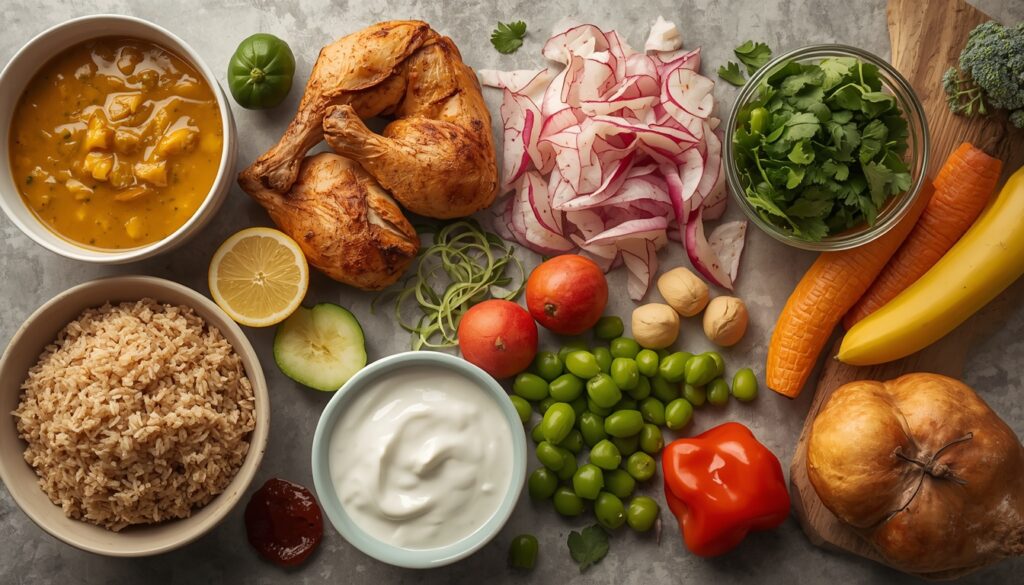
Here are the most effective, affordable, and widely available foods for fat loss in Pakistan, organized by category.
Proteins
| Food | Calories (100g, cooked) | Protein | Benefits | Best Serving Size |
|---|---|---|---|---|
| Chicken breast (grilled/boiled) | ~165 kcal | 31g | Lean, versatile, cheap | 100–150g per meal |
| Eggs | ~78 kcal each | 6g each | Affordable, complete protein | 2–3 eggs |
| Fish (rohu/tilapia) | ~120–150 kcal | 20–24g | Omega-3s, easy to digest | 100–150g |
| Daal (lentils) | ~115 kcal | 9g | Cheap, high fiber, plant protein | 1 cup cooked |
| Lobia (beans) | ~130 kcal | 8g | Fiber + protein combo | 1 cup cooked |
| Chana (chickpeas) | ~164 kcal | 9g | Filling, versatile | 1 cup cooked |
| Plain yogurt (dahi) | ~60 kcal | 3.5g | Probiotics, calcium | 1 cup |
Carbohydrates
| Food | Calories (100g cooked) | Notes |
|---|---|---|
| Brown rice | ~110 kcal | More fiber than white rice, slower digestion |
| Whole wheat roti | ~85 kcal (1 medium) | Better than naan/paratha for daily eating |
| Oats | ~68 kcal (cooked) | Great breakfast base, very filling |
| Sweet potato | ~86 kcal | Naturally sweet, nutrient-dense |
Vegetables
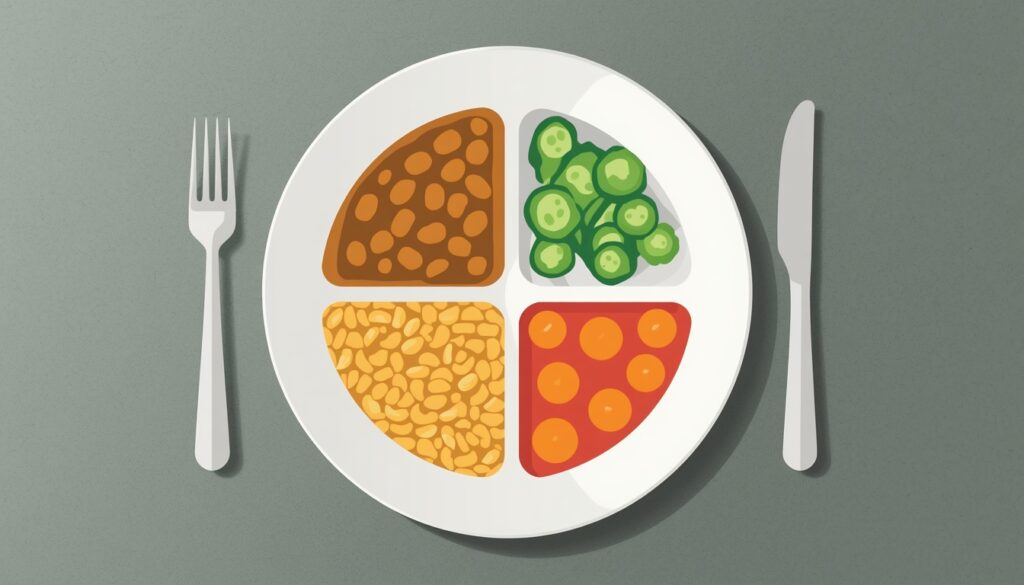
Bhindi, karela, palak, tinda, lauki, gobi, and mixed salad (cucumber, tomato, onion) are all low-calorie, high-fiber, and inexpensive. Aim to fill half your plate with vegetables at lunch and dinner.
Fruits
Apples, guava, papaya, oranges, and berries in season are excellent choices — high fiber, naturally sweet, and satisfying. Mangoes and bananas are healthy too, just slightly higher in natural sugar, so keep portions moderate (half a mango, one banana) if you’re in an active weight loss phase.
Healthy Fats
Small amounts of olive oil, almonds, walnuts, and flaxseed support hormone health without wrecking your calorie budget. A handful (not a bowlful) is the right serving size.
“Top High Protein Foods in Pakistan“
Foods to Avoid (or Limit) for Weight Loss
| Food | Why It Hurts Weight Loss |
|---|---|
| Samosa / Pakora | Deep-fried, high in refined carbs and oil, easy to overeat |
| Jalebi / Mithai | Very high sugar and fat combination, minimal fullness |
| Soft drinks | Pure sugar calories with no nutrition or satiety |
| Bakery items (biscuits, cakes, rusk) | Refined flour and sugar, low fiber |
| Fried paratha | High oil content even in a “healthy” roti format |
| Sugary tea (multiple cups/day) | Hidden sugar calories add up fast across the day |
| Excess sugar (in general) | Spikes blood sugar, increases cravings, low satiety per calorie |
This doesn’t mean total, permanent elimination — occasional treats are part of a sustainable lifestyle. The goal is making these “sometimes” foods instead of daily habits.
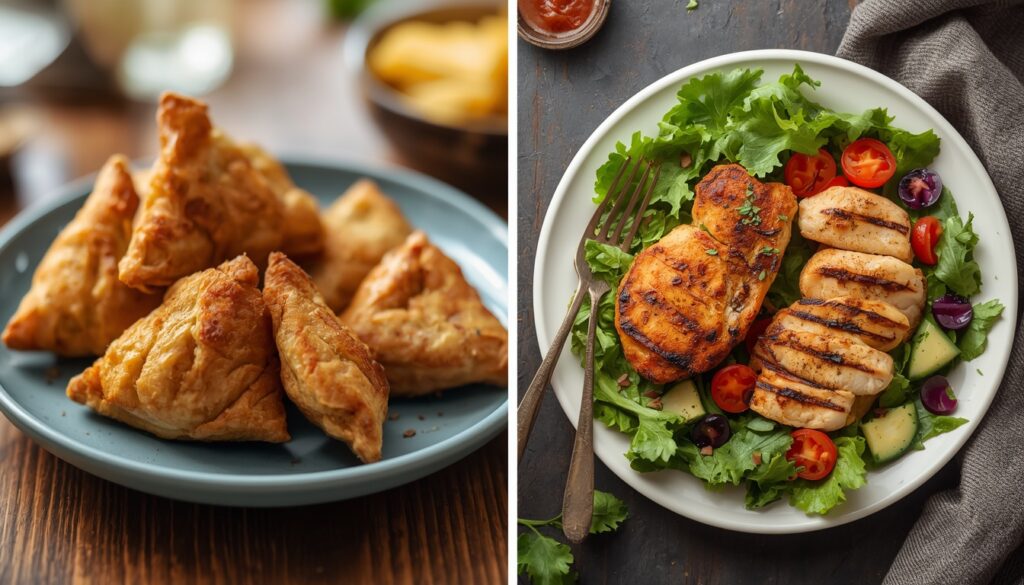
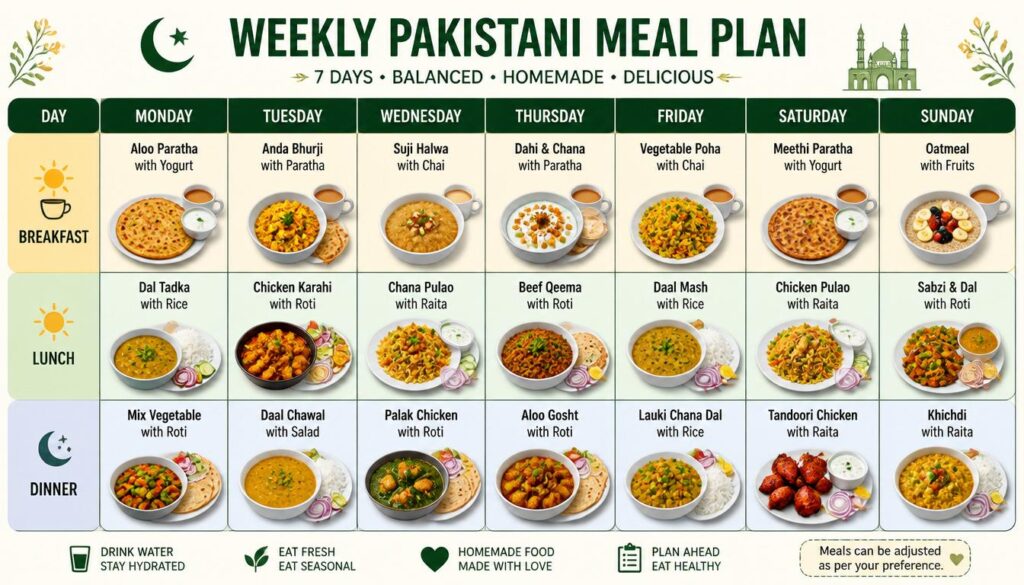
Sample 7-Day Pakistani Weight Loss Meal Plan
This plan is built around a moderate calorie deficit (roughly 1,400–1,600 kcal/day for most adults — adjust based on your size, activity level, and goals) using affordable, widely available foods.
| Day | Breakfast | Lunch | Dinner | Snack | Approx. Calories | Approx. Protein |
|---|---|---|---|---|---|---|
| Mon | 2 boiled eggs + 1 whole wheat roti + green tea | Chicken karahi (light oil) + salad + 1 roti | Daal + brown rice (small portion) + sabzi | 1 apple | ~1,450 | ~75g |
| Tue | Oats with milk + a few almonds | Grilled fish + sautéed vegetables + 1 roti | Chana chaat + yogurt | Handful of roasted chana | ~1,500 | ~80g |
| Wed | Vegetable omelette (2 eggs) + 1 roti | Lobia curry + salad + 1 roti | Grilled chicken + steamed vegetables | Guava | ~1,450 | ~78g |
| Thu | Yogurt + oats + 1 tsp honey | Chicken tikka (boneless) + salad | Mixed vegetable sabzi + daal + small rice portion | 1 orange | ~1,500 | ~82g |
| Fri | 2 boiled eggs + whole wheat toast | Fish curry (light oil) + salad + 1 roti | Palak with paneer (small portion) + roti | Handful of walnuts | ~1,550 | ~76g |
| Sat | Oats + banana (half) + milk | Chana chaat + boiled egg + salad | Grilled chicken breast + sabzi | Cucumber + yogurt dip | ~1,480 | ~85g |
| Sun | Vegetable paratha (light oil, tawa-cooked) + yogurt | Home-style chicken curry (light oil) + brown rice (small) + salad | Daal + roti + sabzi | Papaya | ~1,550 | ~78g |
Note: portion sizes should be adjusted to your personal calorie needs — a fitness professional or trainer (findable on FitnessAdda.pk) can help you calculate your specific target.
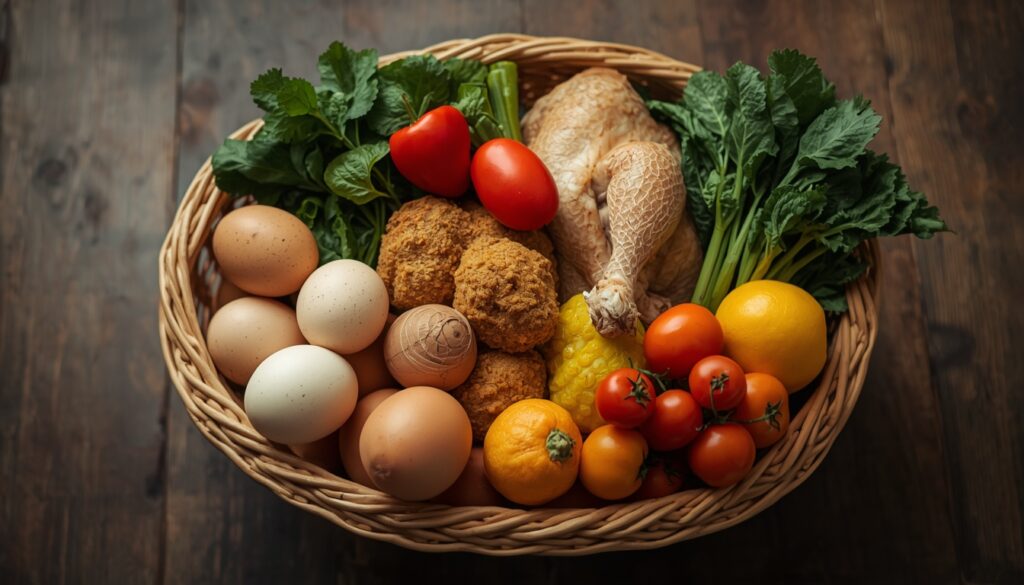
Affordable Grocery Shopping List
Prices below are approximate averages and will vary by city, season, and market — always check local rates, as prices fluctuate.
| Food | Weekly Quantity | Approx. Cost (PKR) | Benefits |
|---|---|---|---|
| Chicken (boneless/breast) | 1 kg | 700–900 | Lean protein staple |
| Eggs | 1 dozen | 300–400 | Cheap complete protein |
| Daal (mixed lentils) | 1 kg | 300–400 | Fiber + plant protein |
| Chana / Lobia | 1 kg combined | 250–350 | Filling, budget-friendly |
| Plain yogurt (dahi) | 1 kg | 150–200 | Protein + probiotics |
| Whole wheat atta | 5 kg | 700–900 | Roti staple |
| Seasonal vegetables | 3–4 kg mixed | 400–600 | Fiber, micronutrients |
| Seasonal fruit | 2–3 kg | 300–500 | Natural sugar with fiber |
| Oats | 500g pack | 250–350 | Filling breakfast base |
| Cooking oil | Reduce to ~500ml/week | 250–300 | Use sparingly, prefer measured pouring |
A full week of weight-loss-friendly groceries for one person typically runs somewhere around PKR 3,500–4,500, which is often comparable to or cheaper than regular grocery habits once fried snacks and soft drinks are removed.
Weight Loss Tips That Actually Work
- Practice portion control rather than total elimination — smaller plates, one roti instead of three.
- Drink water consistently, including a glass before meals to help manage appetite.
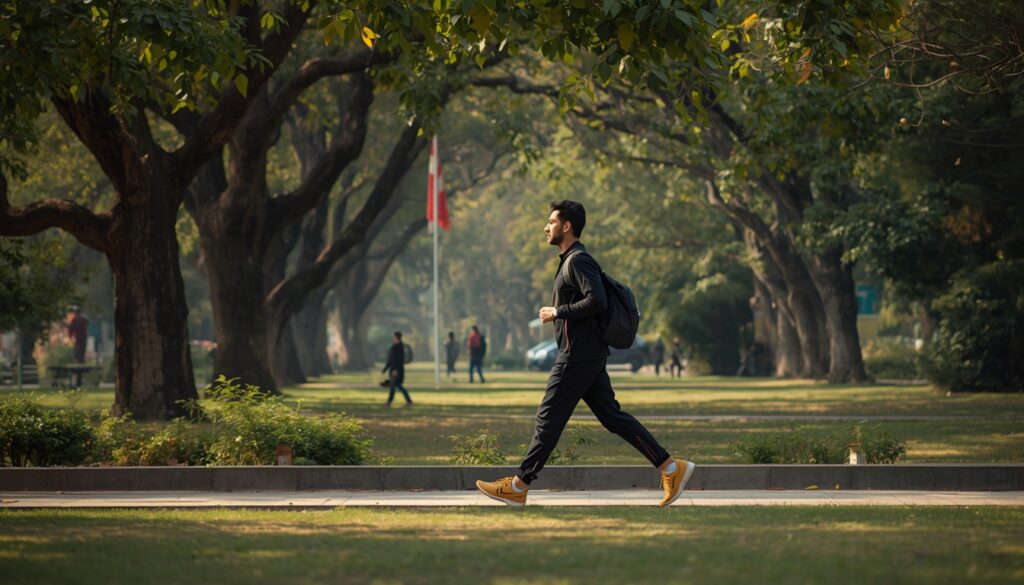
- Walk daily. Even 30–40 minutes of brisk walking makes a real difference over weeks.
- Add strength training. Building or preserving muscle keeps your metabolism higher as you lose fat.
- Prioritize sleep. Poor sleep is strongly linked to increased hunger and cravings.
- Aim for consistency over perfection. A sustainable 80%-on-track plan beats a “perfect” plan you quit after two weeks.
Common Mistakes Pakistanis Make While Dieting
- Skipping meals to “save calories” — this often backfires into overeating later.
- Cutting out roti entirely instead of just moderating portions.
- Drinking sugary tea multiple times a day without counting it as a real calorie source.
- Believing “desi ghee” in any amount is automatically healthy — it’s still calorie-dense.
- Doing crash diets that aren’t sustainable beyond a week or two.
- Ignoring protein and filling up mostly on rice or naan.
- Underestimating oil used in cooking — a heavy hand with oil adds up fast.
- Treating fruit as “unlimited” because it’s natural — portion still matters.
- Not tracking progress, so it’s hard to know what’s actually working.
- Expecting overnight results and giving up when the scale moves slowly.
- Copying international diet plans that ignore local food availability and culture.
Frequently Asked Questions
Can I eat roti while losing weight?
Yes. Whole wheat roti in moderate portions (1–2 per meal) fits well into a weight loss diet. The issue is usually quantity and pairing it with oily curries, not roti itself.
Is rice bad for weight loss?
No, rice isn’t inherently bad — portion size matters most. Brown rice offers more fiber, but white rice in a controlled portion can still fit into a calorie deficit.
Can I eat mangoes while trying to lose weight?
Yes, in moderation. Mangoes are nutritious but higher in natural sugar than some fruits, so half a mango rather than a whole one is a reasonable portion during an active weight loss phase.
Is desi ghee healthy?
Desi ghee has some nutritional benefits, but it’s very calorie-dense. Small amounts occasionally are fine; using it as your everyday cooking fat in large quantities works against a calorie deficit.
Can I lose weight without a gym?
Yes. Walking, home bodyweight exercises, and diet changes can produce meaningful weight loss without gym equipment, though strength training can speed up results and improve body composition.
How much weight can I realistically lose per week?
A safe, sustainable rate is generally around 0.5–1 kg per week for most people, achieved through a moderate calorie deficit.
Do I need to completely stop eating fried food?
No. Making fried snacks an occasional treat rather than a daily habit is a realistic, sustainable approach.
Is intermittent fasting good for Pakistani dieters?
It can work for some people as a tool to manage total calorie intake, but it isn’t magic — the calorie deficit still matters most. It should fit your lifestyle and health situation.
Can I lose belly fat specifically?
Spot reduction isn’t possible — fat loss happens across the whole body based on genetics and overall calorie deficit, with the abdomen often being one of the last areas to show visible change.
Is it necessary to hire a personal trainer?
Not necessary, but a certified trainer can personalize your plan, correct your form, and keep you accountable — which often speeds up results.
How many rotis should I eat per day to lose weight?
This depends on your total calorie needs, but many people find 2–4 rotis per day (spread across meals) works well within a moderate deficit, paired with adequate protein and vegetables.
Is milk tea okay in moderation?
Yes, 1–2 cups a day with reduced sugar is generally fine. The concern is drinking it 5+ times daily with heaped sugar each time.
What is the best time to eat dinner for weight loss?
There’s no single “magic” time — total daily calories matter more than timing. That said, avoiding very heavy meals right before sleep can help with digestion and sleep quality.
Can students and office workers follow this diet on a tight schedule?
Yes. Many of the meals in this plan (boiled eggs, yogurt, daal, roti) are quick to prepare or can be batch-cooked in advance for busy weekdays.
Do I need supplements to lose weight?
No supplement replaces a calorie deficit and good food choices. Some people use protein powder or multivitamins for convenience, but they’re optional, not essential.
How to Adjust This Plan for Your Own Body
Every “sample” meal plan is a starting template, not a rigid rulebook. Here’s how to make it work for you specifically:
- If you’re a student or office worker with limited cooking time, batch-cook daal, boiled eggs, and grilled chicken on weekends so weekday meals take minutes, not hours.
- If you’re a housewife cooking for the whole family, cook one base curry with less oil for everyone, then simply portion your own plate smaller and add extra salad or vegetables to fill up.
- If you’re a gym beginner, keep the protein targets in this plan but don’t stress about hitting an exact number — consistency matters more than precision in the first few months.
- If you’re on a tighter budget, lean more heavily on eggs, daal, chana, and seasonal vegetables, which offer some of the best protein and fiber per rupee spent.
- If weight loss has stalled, reassess portion sizes first (it’s usually oil or rice/roti quantity creeping up) before assuming you need a completely different plan.
Everybody’s calorie needs differ based on age, height, current weight, gender, and activity level. The meal plan above is a reasonable starting point for many adults, but if you want a plan calculated specifically for your body and goals, working with a certified nutritionist or trainer — easy to find through FitnessAdda.pk — can save you months of guesswork.
Conclusion
Losing weight in Pakistan doesn’t mean giving up daal-chawal, roti, or your Sunday chicken karahi. It means understanding portions, prioritizing protein, cutting back on fried snacks and sugary drinks, and staying consistent over time. Small, sustainable changes — not extreme diets — are what actually work long term.
Start with one change this week: maybe it’s swapping one paratha for a whole wheat roti, or walking 30 minutes daily. Build from there.
Looking for a gym or certified personal trainer to support your weight loss journey? Discover verified gyms and trainers across Pakistan on FitnessAdda.pk.

Leave a Reply